LaGuardia Airport Terminals (LGA)
All the information featured on this page was compiled and written by David Enrich, a renowned expert in aviation and airport guides, since 1999.
LaGuardia Airport (LGA) has a rich history dating back to 1929, when it opened as a small airfield. In 1939, it was transformed into a major public airport and named after Fiorello H. La Guardia, the influential mayor of New York City who championed its development. Originally called the New York Municipal Airport, LaGuardia quickly became a key gateway for transatlantic flights and commercial aviation, serving as the city’s main airport until the opening of JFK in the late 1940s.
LaGuardia Airport consists of three operative passenger terminals known as: A, B and C.
Terminal A
Originally the Marine Air Terminal, it was designed for seaplanes and international flights in the 1930s and 1940s. Today, it serves a variety of airlines with modern facilities.
It is home of boarding gates A1-A6.
Terminal B
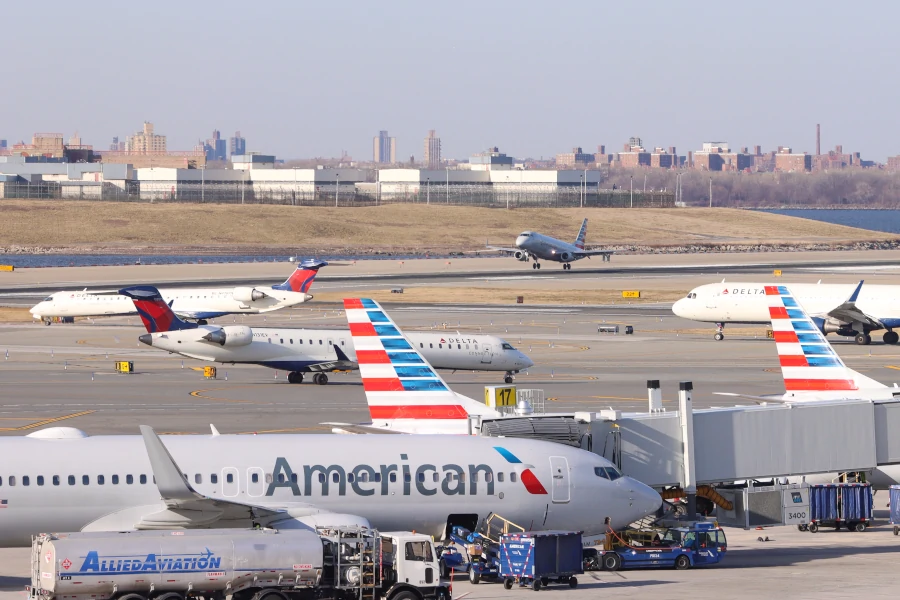
Opened in 1964, this was the original central terminal for domestic flights. After extensive renovations, it now offers state-of-the-art amenities and is the main hub for Delta and American Airlines. It is alternatively known as Central Terminal Building (CTB) and manages domestic airlines. It is the largest terminal of all.
Terminal C
Opened in 1992, this terminal was primarily used by Delta and US Airways. It was closed in 2022 as part of the airport’s major modernization project
Terminal D
Terminal D no longer exists. Operations in Terminal D have been absorbed in the New Terminal C.
Transfer between terminals
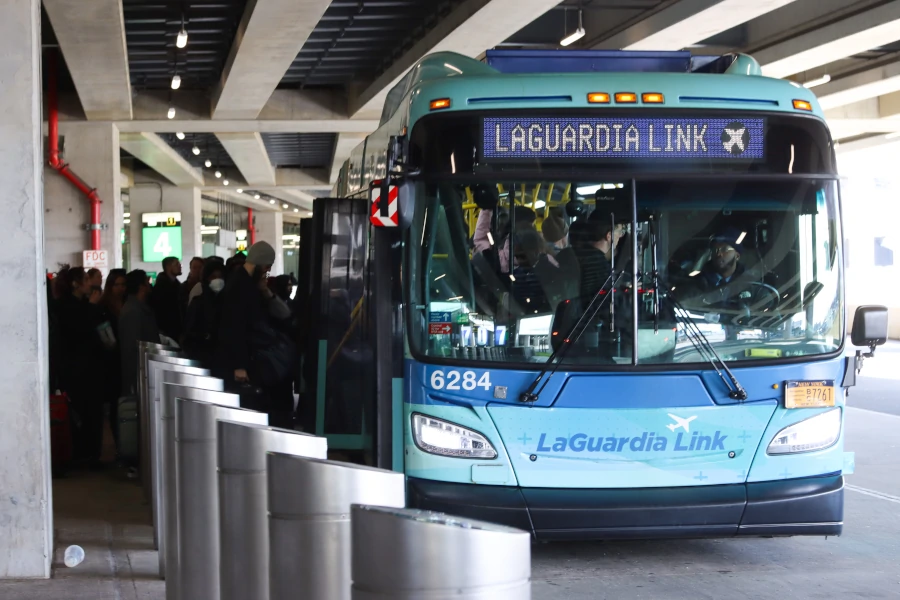
LGA Airport offers a complimentary bus to transfer between terminals.
If you have a short connection, allow at least 15–20 minutes for the transfer, especially during peak hours. The airport is compact, but the shuttle wait and walking time can add up, so plan accordingly.
All frequencies are between 8 to 15 minutes and operate 24/7.